Why the Rolex Oyster Case May Define Its Biggest Anniversary Yet
Few watchmakers accumulate milestones quite like Rolex. In 2026, the company will mark several significant anniversaries: a century since the introduction of the Oyster case, 70 years of the Day-Date, and 70 years of the Milgauss. For many brands, such a combination would be an invitation for a series of nostalgic releases and limited editions. 
Rolex, however, has rarely followed that path.
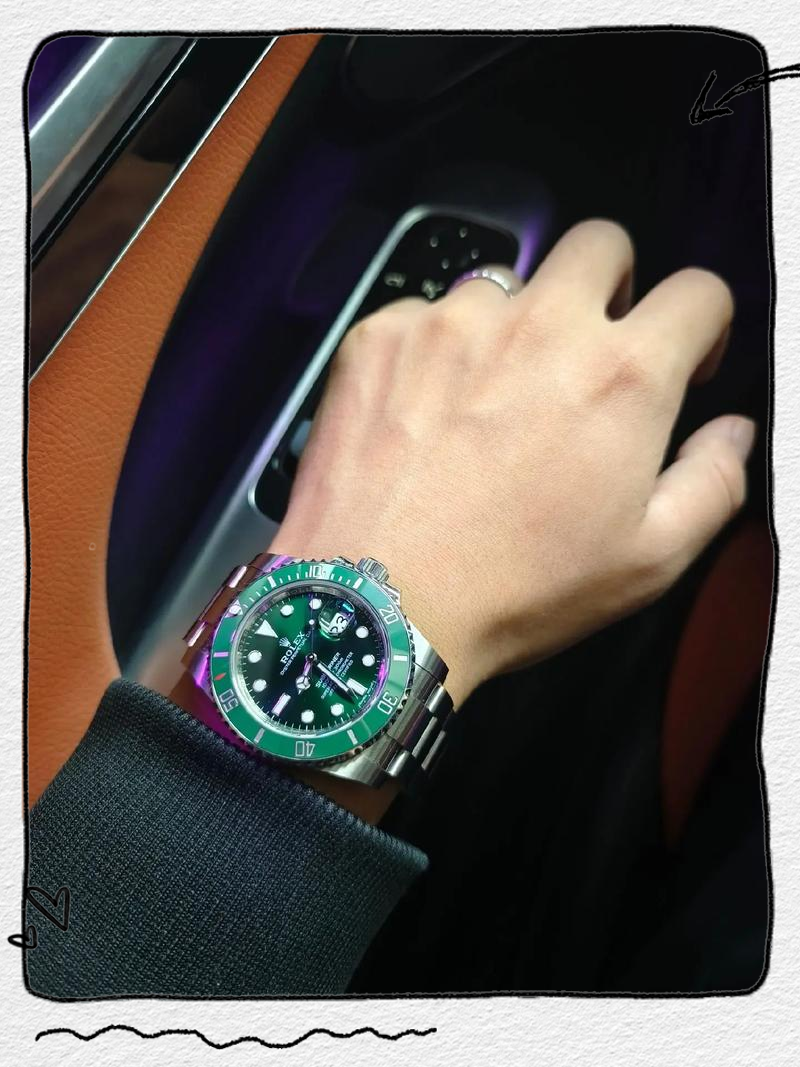
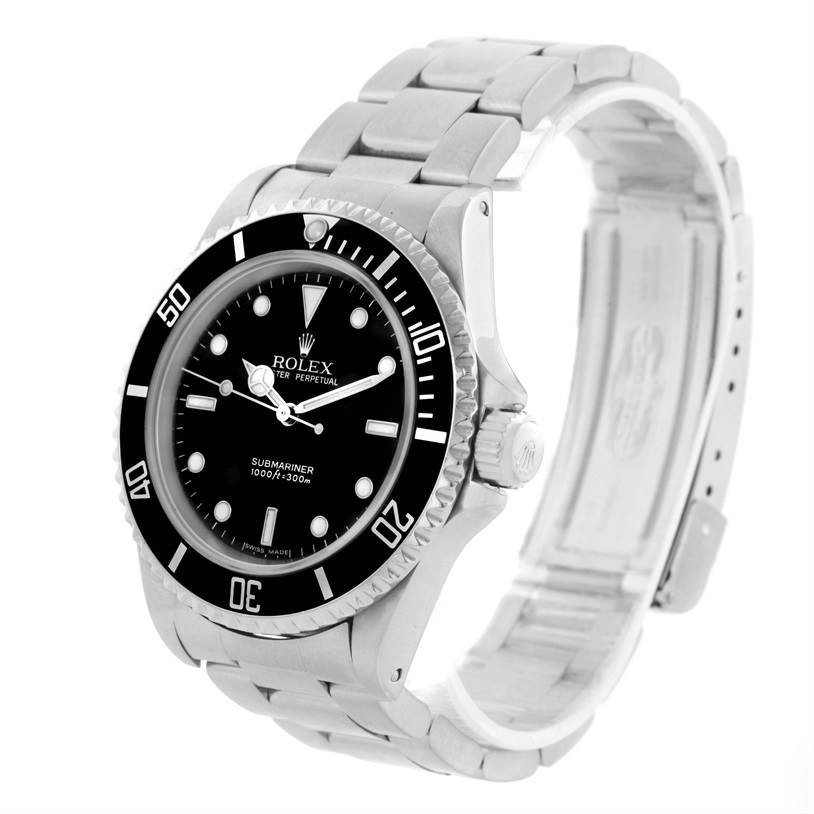
The company has occasionally created watches tied to important moments. The Submariner Date reference 16610LV, known as the “Kermit,” celebrated 50 years of the Submariner in 2003, while the special Daytona created for the centenary of the 24 Hours of Le Mans in 2023 demonstrated Rolex’s ability to mark historical occasions through products.
But these examples are exceptions rather than the rule. Rolex’s approach to heritage is typically quieter. Instead of repeatedly revisiting its past through anniversary models, the brand often chooses exhibitions, storytelling initiatives, and demonstrations of craftsmanship to reinforce its history.
That makes predicting Rolex’s 2026 plans difficult. Yet among the anniversaries approaching, one stands apart: the 100th anniversary of the Oyster case.
The Innovation That Built Modern Rolex
Modern Rolex is defined by famous names: Submariner, Daytona, GMT-Master, Day-Date. But beneath those collections lies a technology that transformed the entire watch industry.
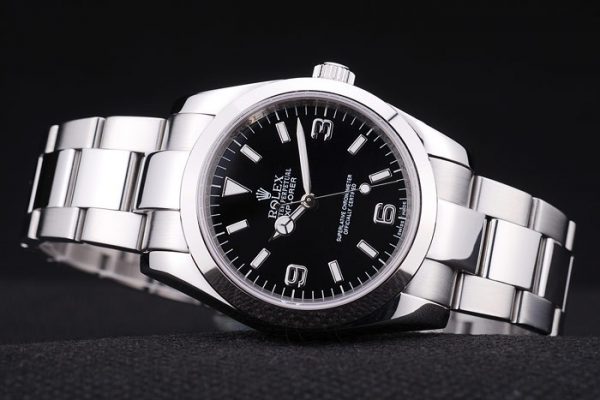
When Rolex introduced the Oyster case in 1926, water resistance remained one of the greatest challenges facing wristwatch manufacturers. Early wristwatches were vulnerable to moisture, dust, and environmental damage, making reliability a constant engineering problem.
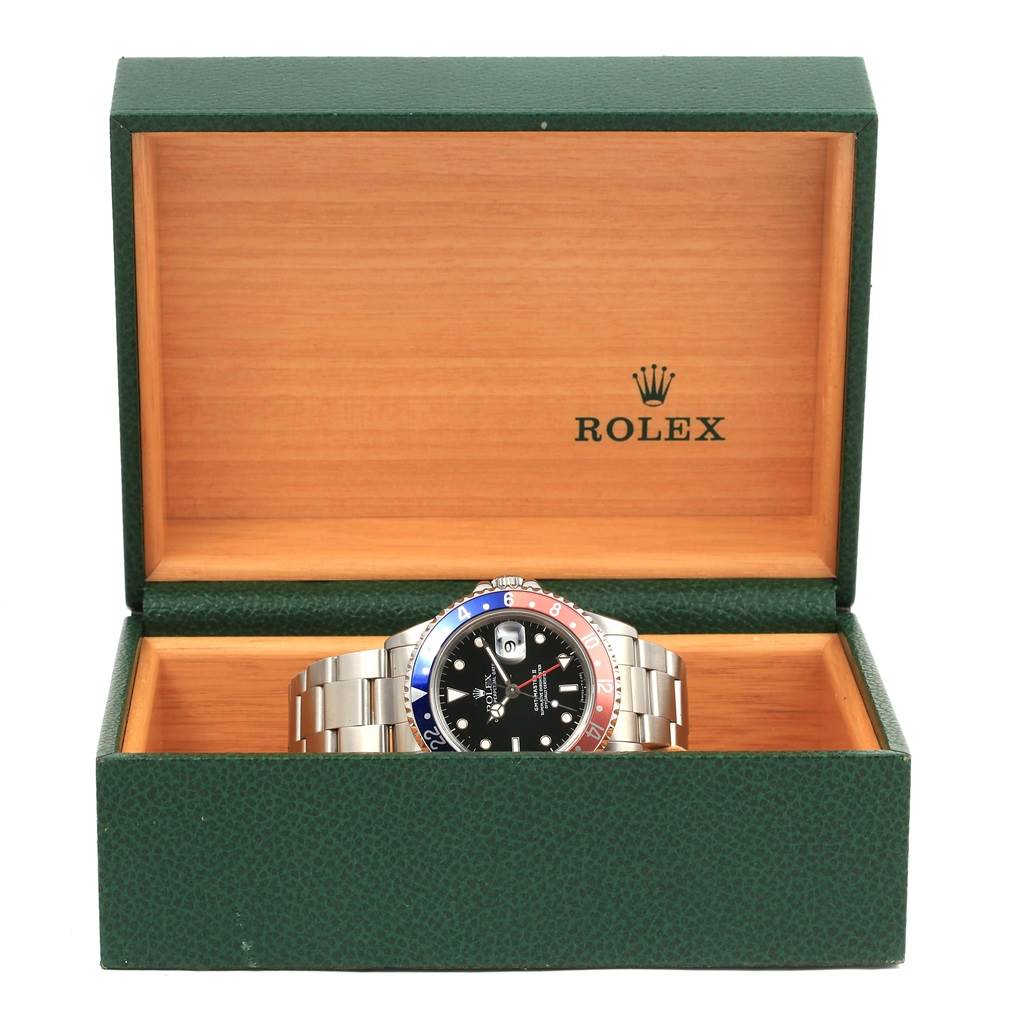
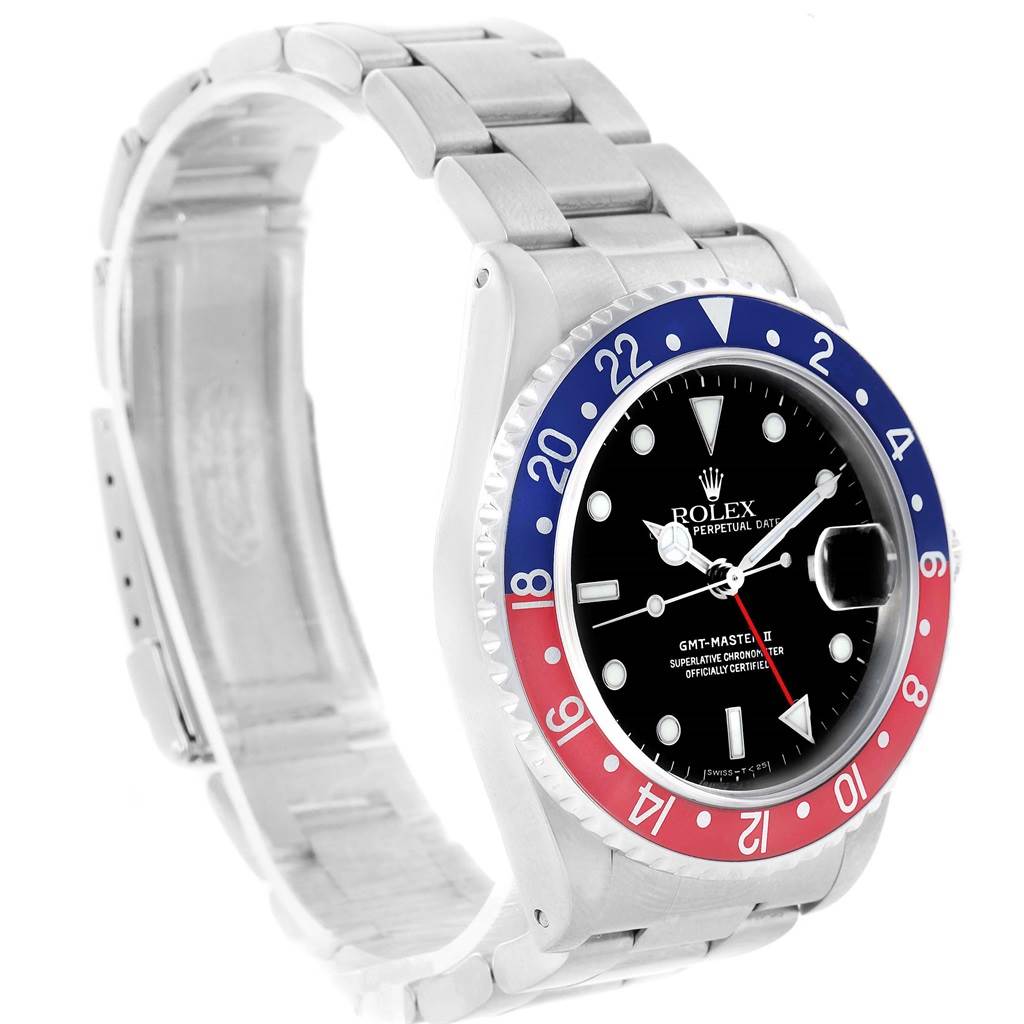
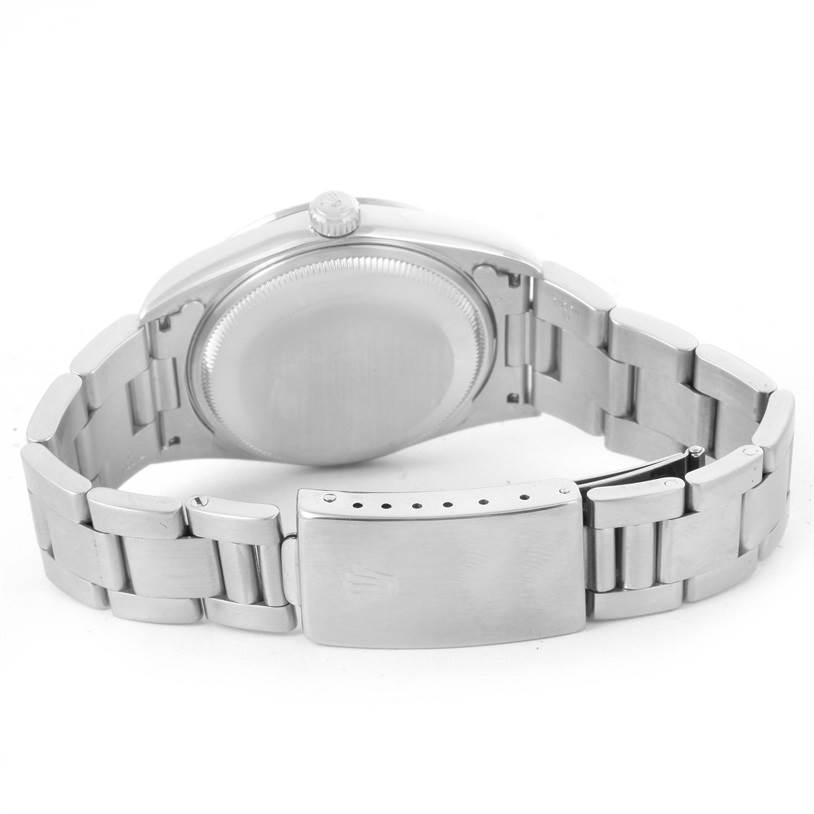
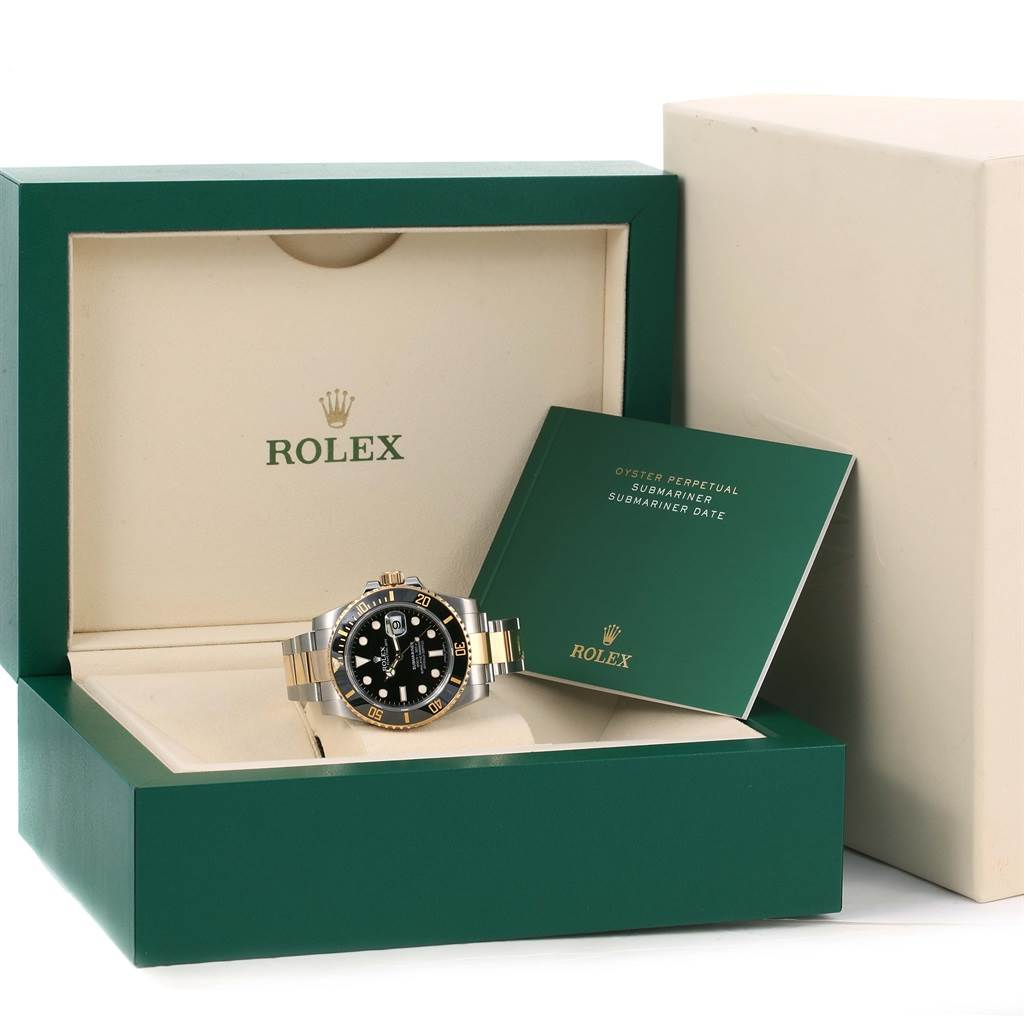
Rolex’s solution was deceptively simple: a sealed case architecture using a screw-down caseback, bezel, and crown to create a protective barrier around the movement. The design created a level of reliability that was unusual at the time and eventually became the foundation of modern waterproof wristwatches.
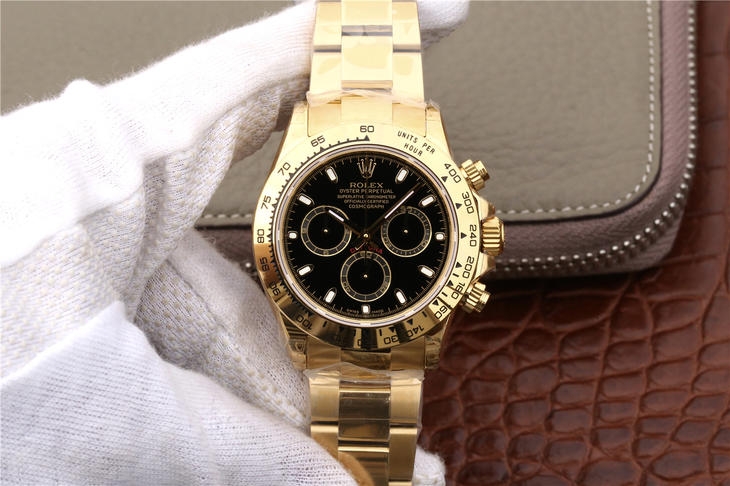
The Oyster case also influenced Rolex’s visual identity. The specialized tools required to tighten the bezel contributed to the development of the fluted bezel, now one of the brand’s most recognizable design elements.
A century later, the Oyster concept is so common that its importance is easy to underestimate. Water resistance is now expected in many watches, but that expectation exists partly because Rolex helped establish the standard. 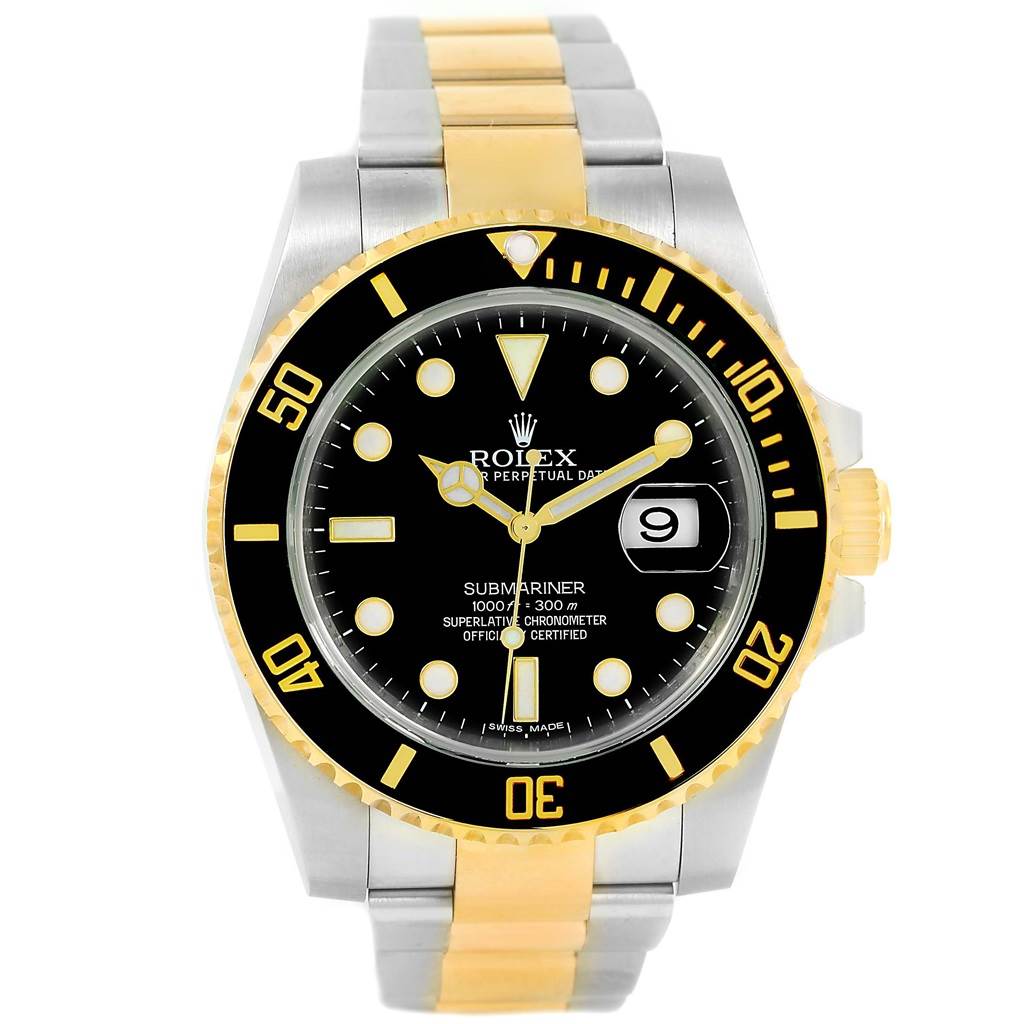
The Technology Was Important. The Story Made It Iconic.
Rolex’s success has never depended on engineering alone. The company’s ability to communicate innovation has been equally important.
Hans Wilsdorf, Rolex’s founder, understood early that a technical achievement needed a public demonstration. In 1927, British swimmer Mercedes Gleitze attempted to cross the English Channel wearing a Rolex Oyster watch. After more than 10 hours in the water, the watch remained functional, providing Rolex with a powerful public proof of its durability.
The event became one of the earliest examples of modern sports marketing. Rolex turned a technical achievement into a global story, using Gleitze’s accomplishment to establish the Oyster as a symbol of endurance and reliability.
That combination of engineering and storytelling remains central to Rolex’s identity today.
How Might Rolex Celebrate the Oyster Anniversary?
There are three obvious possibilities: a new technical innovation, a commemorative watch, or a historical celebration.
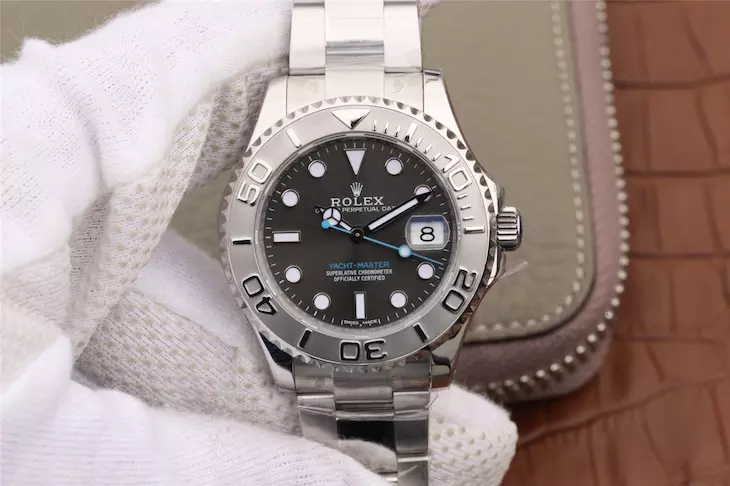
A major technological breakthrough would certainly fit Rolex’s tradition. However, the challenges facing watchmakers today are different from those of 1926. Modern Rolex replica watches are already highly resistant to water intrusion. The industry’s major technical discussions now focus more on precision, magnetism, materials, and efficiency.
A new Oyster-related innovation is possible, but a revolutionary successor to the original case seems unlikely.
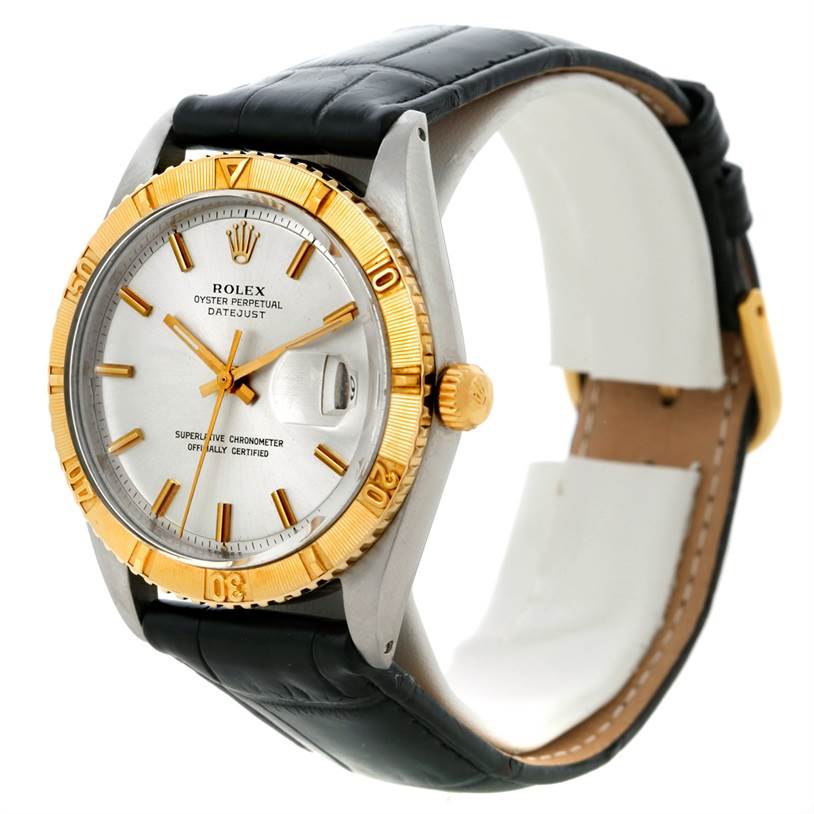
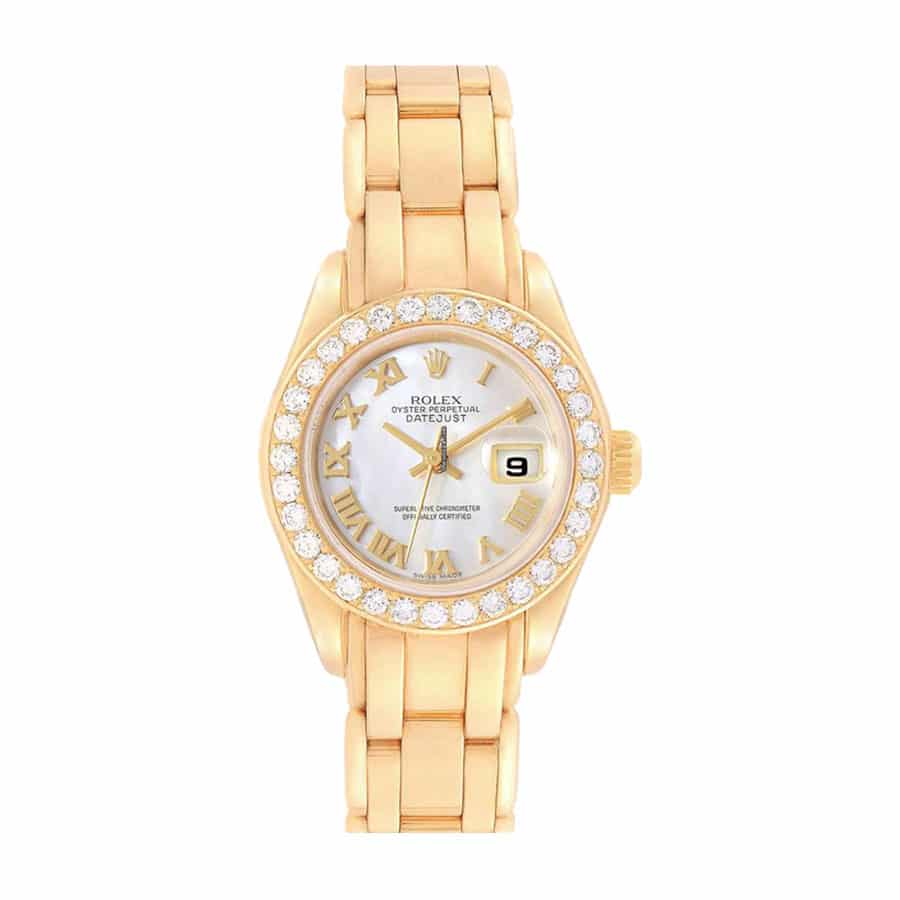
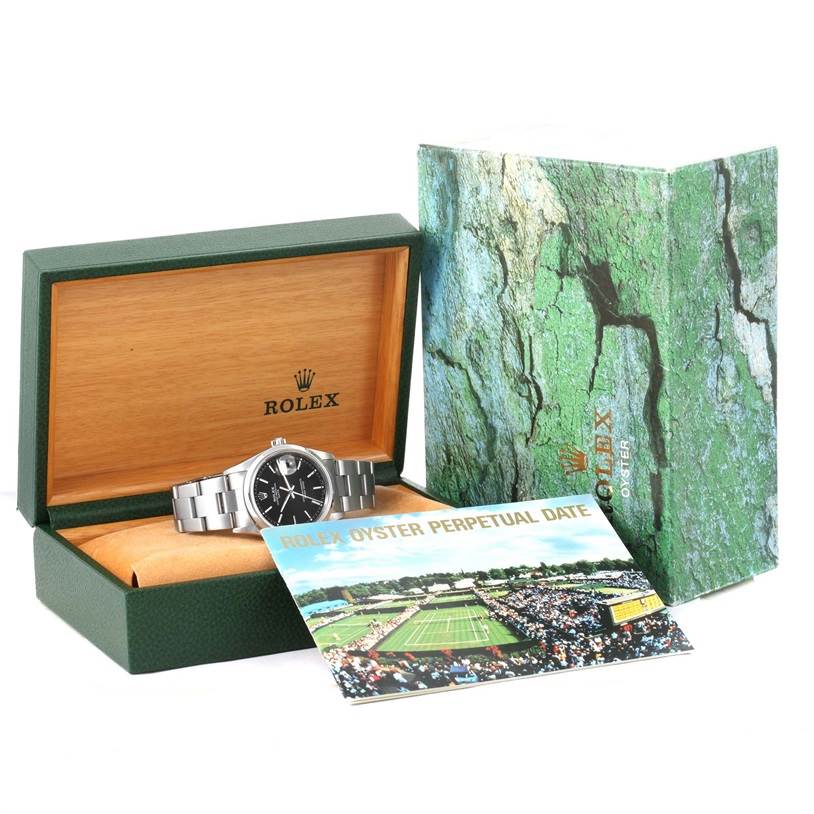
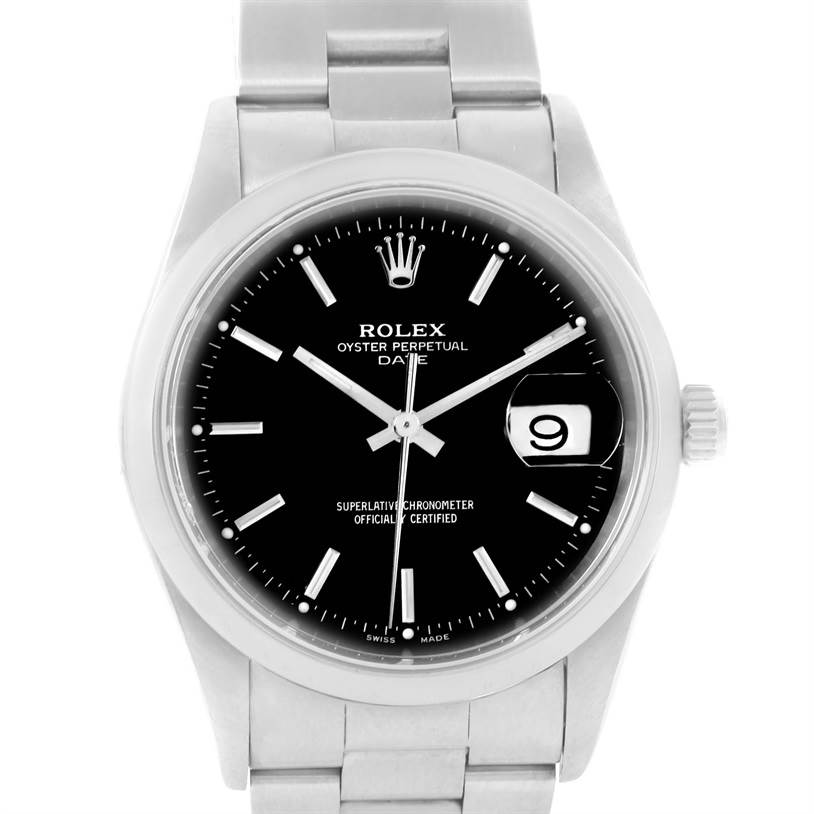
A commemorative watch is another possibility. The Oyster Perpetual would be the natural candidate because it carries the Oyster name directly. A special dial would probably feel too predictable, while a significant case development or a precious-metal interpretation could provide a more meaningful connection to the anniversary.
However, Rolex’s recent history suggests another possibility may be more likely.
The Most Rolex-Like Celebration May Not Be a Watch
The strongest tribute may not be a new reference at all. It may be an exhibition focused on the history and evolution of the Oyster case.
Such an approach would fit Rolex’s character. Rather than creating artificial scarcity around an anniversary product, the brand could use the occasion to explain how its technology evolved over a century.
A centerpiece could even be the original Oyster worn by Mercedes Gleitze, which was sold by Sotheby’s in 2025 for $1.73 million. A traveling exhibition could allow Rolex to connect its engineering history, marketing legacy, and relationship with collectors around the world.
It would also support the company’s global retail network while reinforcing a message Rolex has consistently communicated: its value comes not from chasing trends, but from decades of refinement.
A Century of Progress Without Looking Backward
The irony of Rolex anniversaries is that the company’s greatest achievements are often the ones it does not repeatedly celebrate. The Oyster case changed watchmaking, yet Rolex rarely treats history as something to exploit.
In 2026, Rolex has the opportunity to celebrate one of the most important inventions in modern watchmaking. Whether through a new watch, an exhibition, or another unexpected approach, the most fitting tribute would likely reflect the same philosophy that created the Oyster case a century ago: practical innovation, carefully refined over time, with little need for unnecessary attention.